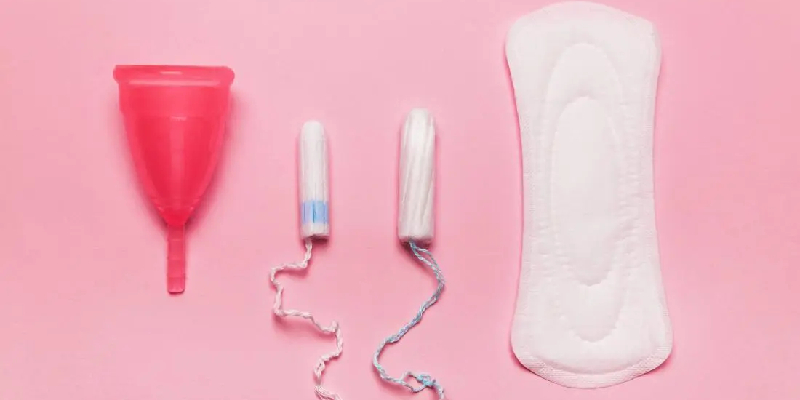
With so many menstrual products available today, choosing the right one can feel confusing. Pads, tampons, and menstrual cups all have their advantages—but which one is actually safer for your body?
This guide compares menstrual cups vs pads vs tampons in simple language, focusing on safety, comfort, hygiene, and health—so you can choose what suits you best.
Are all menstrual products safe?
Yes—when used correctly, all three options are generally safe.
Problems usually arise due to:
- Incorrect usage
- Poor hygiene
- Prolonged use without changing
- Using the wrong size or absorbency
There is no single “best” option for everyone.
1. Sanitary Pads
What are pads?
Pads are external absorbent products worn inside underwear to collect menstrual blood.
Safety & comfort:
- Easy to use
- Suitable for teenagers and first-time users
- No internal insertion
Things to be careful about:
- Can cause rashes or irritation if worn too long
- Prolonged moisture may increase risk of fungal infection
- Some pads contain fragrances or chemicals that may irritate sensitive skin
👉 Change pads every 4–6 hours, or sooner if soaked.
2. Tampons
What are tampons?
Tampons are absorbent products inserted into the vagina to absorb menstrual blood.
Safety & comfort:
- Convenient for swimming and sports
- No external bulk
- Discreet
Things to be careful about:
- Must be changed every 4–6 hours
- Leaving tampons too long increases risk of Toxic Shock Syndrome (TSS)
- Not ideal if you have recurrent vaginal infections
👉 Always use the lowest absorbency needed.
3. Menstrual Cups
What is a menstrual cup?
A menstrual cup is a reusable, flexible cup made of medical-grade silicone that collects menstrual blood inside the vagina.
Safety & comfort:
- Can be worn for 6–10 hours
- Lower infection risk if cleaned properly
- Eco-friendly and cost-effective
Things to be careful about:
- Requires proper insertion and removal technique
- Needs thorough cleaning and sterilisation
- Initial learning curve for beginners
👉 Choose the correct size based on age, childbirth history, and pelvic floor tone.
Which option is safest for me?
You may prefer pads if:
- You are a teenager or first-time user
- You are uncomfortable with internal products
- You have vaginal pain or infection
You may prefer tampons if:
- You want freedom during sports or swimming
- You can change them regularly
- You are comfortable with insertion
You may prefer a menstrual cup if:
- You want a long-term, eco-friendly option
- You are comfortable learning insertion technique
- You want fewer changes during the day
Common safety concerns – answered simply
Can menstrual cups be used by virgins?
Yes. Virginity is a social concept, not a medical one.
Do tampons or cups cause infections?
Not if used correctly. Poor hygiene and prolonged use increase infection risk.
Which product helps prevent rashes?
Menstrual cups and tampons reduce skin contact with moisture and may cause fewer rashes than pads.
Hygiene tips for all menstrual products
- Wash hands before and after changing
- Change products regularly
- Avoid scented or heavily perfumed products
- If itching, burning, or foul discharge occurs—stop use and consult a doctor
Frequently Asked Questions (FAQs)
Tampons
1. How should tampons be discarded safely?
Wrap used tampons in toilet paper and dispose of them in a dustbin. Do not flush.
2. Can I pee or pass stools while wearing a tampon?
Yes. Tampons do not block the urinary or anal passage.
3. What is Toxic Shock Syndrome (TSS)?
A rare but serious bacterial infection linked to prolonged tampon use.
4. Warning signs of TSS:
- Sudden high fever
- Vomiting or diarrhoea
- Dizziness or fainting
- Sunburn-like rash
- Severe muscle aches
Menstrual Cups
5. How should a menstrual cup be cleaned?
- Wash with clean water and mild unscented soap after each removal
- Sterilise by boiling for 5–7 minutes after every cycle
- Store in a breathable pouch
6. Can I use a menstrual cup after delivery?
Wait at least 6–8 weeks and start only after your gynecologist confirms healing.
7. Is it safe to use a menstrual cup with Copper-T / IUCD?
Yes, but suction must be broken properly during removal.
8. How do I choose the correct menstrual cup size? Does it change over time?
Size depends on age, vaginal delivery history, pelvic floor tone, and flow. Size may change after childbirth or with age.
9. Can a menstrual cup interfere with exercise, sports, or sleep?
No. When inserted correctly, cups do not interfere with daily activities or sleep.
10. How long can I wear a menstrual cup?
Usually 6–10 hours depending on flow.
11. When should a menstrual cup be replaced?
Every 3–5 years, or earlier if damaged.
12. Warning signs of infection with a cup:
- Itching or burning
- Foul-smelling discharge
- Pelvic pain
- Fever
13. How long does one menstrual cup last?
With proper care, several years.
💡 Final Note:
- All menstrual products are safe when used correctly.
- Good hygiene and timely changing are essential.
- Choose what suits your body and lifestyle.
📍 Source: Dr. Shweta Mehta – DNB, Obstetrics & Gynaecology | United Multispeciality Hospital, Kandivali West, Mumbai.