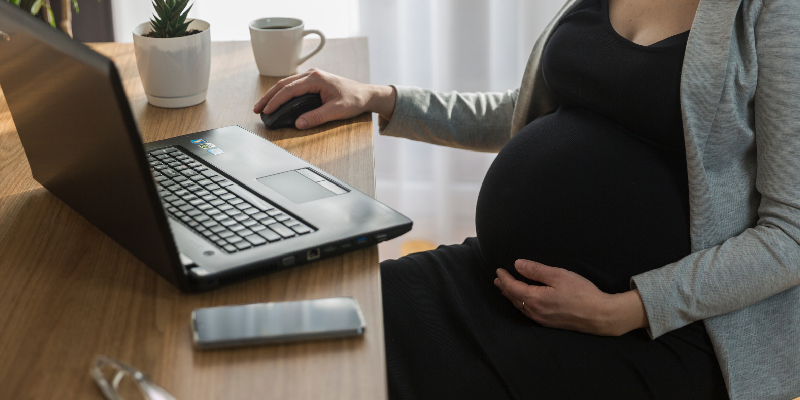
Many women continue working during pregnancy, and in most cases it is completely safe.
With proper precautions and workplace adjustments, working can support both physical and mental wellbeing during pregnancy.
This guide explains when working during pregnancy is safe, what precautions to take, and when modifications may be necessary.
Is it Safe to Work During Pregnancy?
Yes. For most women with uncomplicated pregnancies, continuing to work is safe and often beneficial.
Benefits of working during pregnancy include:
- Maintaining physical activity
- Emotional wellbeing
- Financial stability
- Sense of normal routine
When Working Is Usually Safe
Working is generally safe if the pregnancy is low risk and there are no medical complications such as:
- Low-risk pregnancy
- No risk of preterm labor
- No placenta previa with bleeding
- Blood pressure and blood sugar well controlled
Situations Where Work Restrictions May Be Needed
Your doctor may advise work modifications or temporary leave if there are medical concerns such as:
- Recurrent vaginal bleeding
- Short cervix or risk of preterm labour
- Severe anemia
- Preeclampsia
- Severe back pain or pelvic pain
- Physically demanding work
Workplace Precautions During Pregnancy
Ergonomics
- Use proper back support when sitting
- Keep feet slightly elevated when possible
- Avoid standing continuously for more than 30–60 minutes
- Take short breaks every hour
Hydration and Nutrition
- Keep healthy snacks available
- Drink water regularly
- Avoid long gaps between meals
Fatigue Management
- Schedule demanding work earlier in the day
- Prioritize rest after work
Work Conditions to Avoid
- Heavy lifting
- Exposure to radiation or toxic chemicals
- Long shifts with continuous standing
- Excessive stress or frequent night shifts (especially if symptomatic)
Travel for Work During Pregnancy
Work travel is usually safe with precautions:
- Take frequent breaks during long journeys
- Wear the seatbelt below the abdomen
- Avoid long travel if pregnancy is high risk
When Should You Stop Working?
There is no single rule for when to stop working during pregnancy. It depends on:
- Nature of your job
- Pregnancy risk status
- Your comfort level
Many women continue working until around 34–36 weeks, while physically demanding jobs may require earlier leave.
Practical Counselling Points
Doctors often advise pregnant patients to:
- Listen to their body
- Rest whenever feeling tired
- Report warning symptoms early
- Discuss job nature during antenatal visits
Common Questions About Working During Pregnancy
Can standing for long hours harm the baby?
Prolonged standing may increase fatigue and swelling. Taking frequent breaks and sitting periodically helps reduce strain.
Can I work night shifts?
Occasional night shifts are usually safe in low-risk pregnancy. However, frequent sleep disruption may increase fatigue.
Do I need a fitness-to-work certificate?
Some workplaces may request a medical certificate confirming that you are fit to continue working. Doctors may provide this based on pregnancy risk status.
Workplace Rights During Pregnancy
Pregnant employees can request reasonable adjustments that help them work safely, such as:
- Flexible working hours
- Additional breaks
- Sitting instead of prolonged standing
- Lighter duties or reduced lifting
- Time off for antenatal appointments
In India, workplace protections are supported under maternity laws and workplace safety policies.
Maternity Leave Rights in India
Under the Maternity Benefit Act (Amended 2017), eligible employees are entitled to:
- Paid maternity leave of up to 26 weeks
- Protection from dismissal due to pregnancy
- Nursing breaks after returning to work
- Crèche facilities in certain establishments
Eligibility depends on employment conditions and company policies.
Managing Morning Sickness at Work
- Eat small and frequent snacks
- Dry snacks like crackers may help
- Keep water or electrolyte drinks nearby
- Avoid strong smell triggers
- Schedule important tasks during times you feel better
What If Your Job Involves Physical Labor?
- Inform your employer early
- Request lighter duties
- Avoid heavy lifting
- Obtain a medical note if needed
If workplace risks cannot be reduced, temporary leave may be recommended.
When Should You Inform Your Employer?
There is no strict rule. Many women choose to inform their employer:
- After the first trimester, or
- Earlier if work adjustments are required
When Should Maternity Leave Start?
Legally, maternity leave may start up to 8 weeks before the expected delivery date within the total entitlement period.
The exact timing depends on medical advice, job demands, and personal comfort.
What If You Face Workplace Discrimination?
If you experience unfair treatment because of pregnancy:
- Document incidents such as emails or messages
- Report concerns to HR or management
- File a formal complaint under workplace policies
- Seek legal advice if necessary
Pregnant employees are legally protected from discrimination in the workplace.
Most women can safely continue working during pregnancy with small adjustments and proper medical guidance.
Work decisions should always be individualized based on health, job demands, and comfort.