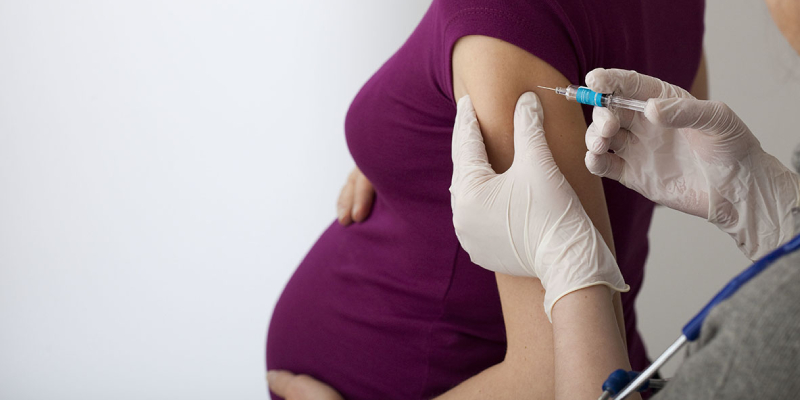
Many pregnant women worry whether vaccines can harm their baby. Some even skip important vaccines due to fear or misinformation. The truth is: certain vaccines are not only safe in pregnancy but strongly recommended to protect both mother and baby.
This article explains:
- Which vaccines are safe during pregnancy
- Which ones are necessary
- When they should be taken
- How they protect your baby
Why Are Vaccines Important During Pregnancy?
During pregnancy, a woman’s immunity is naturally lower. This makes infections more severe and increases the risk of:
- Preterm birth
- Low birth weight
- Severe illness in the mother
- Newborn infections after birth
Vaccines help by:
- Protecting the mother from serious disease
- Passing protective antibodies to the baby before birth
👉 Babies cannot receive some vaccines immediately after birth, so maternal vaccination is their first protection.
Vaccines Required to Be Taken During Pregnancy
During pregnancy, only a few vaccines are routinely required, but they are very important.
The vaccines commonly recommended in pregnancy are:
- Tdap vaccine (for protection against whooping cough in the newborn)
- Flu (influenza) vaccine (to prevent severe flu-related complications)
- COVID vaccine (to reduce risk of severe illness in the mother)
👉 These vaccines are recommended because the benefits clearly outweigh any risks and they protect both mother and baby.
Vaccines That Can Be Taken During Pregnancy or Breastfeeding If Needed
Some vaccines are not routine, but can be given if there is a medical need or exposure.
These include:
- Rabies vaccine (after animal bite – pregnancy is NOT a contraindication)
- Hepatitis B vaccine
- Tetanus vaccine (if injury occurs)
- Inactivated vaccines recommended during outbreaks or travel (as advised by a doctor)
During breastfeeding:
- Most vaccines are safe during breastfeeding
- Vaccines do not harm breast milk or the baby
- Breastfeeding does not need to be stopped after vaccination
👉 In emergency situations like animal bites, life-saving vaccines should never be delayed because of pregnancy or breastfeeding.
Tdap Vaccine in Pregnancy (Tetanus, Diphtheria, Pertussis)
Is Tdap safe in pregnancy?
✅ Yes, completely safe
When is it given?
- Between 27 and 36 weeks of pregnancy
- Needed in every pregnancy, even if taken earlier in life
Why is it important?
- Protects the baby from whooping cough (pertussis)
- Newborns are at highest risk of severe pertussis infection
- Maternal antibodies cross the placenta and protect the baby until vaccination starts
👉 Tdap is mainly given for the baby’s safety, not just the mother’s.
Flu Vaccine (Influenza Vaccine) in Pregnancy
Is the flu vaccine safe?
✅ Yes, safe in all trimesters
When should it be taken?
- Anytime during pregnancy
- Especially important during flu season
Why is it necessary?
Pregnant women who get flu are more likely to:
- Develop severe respiratory illness
- Need hospitalisation
- Go into preterm labour
Flu vaccine helps:
- Prevent severe flu in the mother
- Reduce risk of complications
- Protect the newborn in the first few months of life
⚠️ Note: Only the injectable flu vaccine is recommended in pregnancy (not nasal spray).
COVID Vaccine in Pregnancy
Is the COVID vaccine safe?
✅ Yes, evidence shows it is safe and effective
When can it be taken?
- Can be taken in any trimester
- Booster doses if recommended
Why is it important?
COVID infection in pregnancy increases the risk of:
- Severe pneumonia
- ICU admission
- Preterm delivery
Vaccination:
- Reduces severity of illness
- Lowers hospitalisation risk
- Provides antibodies to the baby
👉 COVID vaccines do not cause infertility, miscarriage, or birth defects.
Which Vaccines Are NOT Given During Pregnancy?
Some vaccines are avoided because they contain live viruses.
❌ Not recommended in pregnancy:
- MMR (measles, mumps, rubella)
- Chickenpox (varicella)
- Live nasal flu vaccine
These are usually given before pregnancy or after delivery.
Can I Take Multiple Vaccines at the Same Time?
Yes. Multiple vaccines can be taken during the same visit, if needed.
Important points:
- Vaccines are given at different injection sites
- The immune system can safely handle more than one vaccine
- Taking them together does not reduce effectiveness
- It avoids unnecessary delays in protection
👉 Doctors often give Tdap and flu vaccines together if timing overlaps.
What If I Was Vaccinated Before Becoming Pregnant?
In most cases, vaccination before pregnancy is safe and does not harm the baby. Many women receive vaccines before realizing they are pregnant, and this usually does not require any treatment or intervention.
Inactivated (Non-Live) Vaccines are safe if taken before pregnancy, even close to conception.
Examples include:
- Flu (injectable)
- Tdap / Tetanus
- Hepatitis B
- COVID vaccines
- Rabies vaccine
👉 If these vaccines were taken before pregnancy:
- There is no risk to the baby
- No waiting period is needed
- No additional tests or precautions are required
Live Vaccines (Important Exception)
Some vaccines contain live but weakened viruses and are not recommended during pregnancy.
Examples:
- MMR (Measles, Mumps, Rubella)
- Rubella vaccine
- Chickenpox (Varicella) vaccine
Waiting period after live vaccines:
- Pregnancy should be avoided for at least 1 month after these vaccines
If pregnancy occurred earlier than planned:
- Do NOT panic
- Termination of pregnancy is NOT recommended
- No additional treatment is required
- Routine antenatal care is sufficient
👉 Studies have shown no proven risk of birth defects due to accidental vaccination.
What If I Took One or Two Doses of the HPV Vaccine Before Pregnancy?
This is a very common concern.
- HPV vaccine is not given during pregnancy
- If pregnancy occurs after 1 or 2 doses:
- Do NOT take the remaining dose during pregnancy
- Do NOT restart the vaccine series
What should you do instead?
- Simply continue the remaining dose after delivery
- The earlier doses remain valid
HPV vaccine can be taken:
- After delivery
- Even while breastfeeding
- No mandatory waiting period is required postpartum
👉 The HPV vaccination series is paused during pregnancy, not cancelled.
Key Takeaway
Vaccines like Tdap, Flu, and COVID are safe in pregnancy and protect both mother and baby. Avoid live vaccines during pregnancy, and always consult your doctor to plan vaccination timing correctly.
📍 Source: Dr. Shweta Mehta — DNB Obstetrics & Gynaecology | United Multispeciality Hospital, Kandivali West, Mumbai