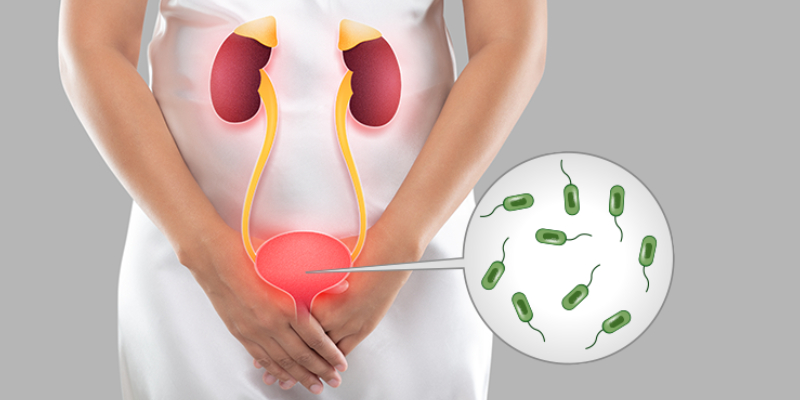
Urinary tract infection (UTI) is one of the most common infections in women, affecting the bladder, urethra, or kidneys. Women are more prone to UTIs due to their shorter urethra, which allows bacteria to reach the bladder more easily. Most UTIs are uncomplicated and treatable, but early diagnosis is important to prevent complications.
What Is a Urinary Tract Infection?
A UTI occurs when bacteria — most commonly Escherichia coli — enter the urinary tract and multiply. Infections may involve:
- Urethra (urethritis)
- Bladder (cystitis)
- Kidneys (pyelonephritis)
Bladder infections are the most frequent type seen in women.
Common Symptoms of UTI in Women
UTI symptoms may vary in intensity and include:
- Burning or pain while passing urine
- Increased frequency of urination
- Urgency to pass urine even when the bladder is empty
- Lower abdominal or suprapubic pain
- Cloudy or foul-smelling urine
- Blood in urine (pink or reddish tinge)
- Feeling of incomplete bladder emptying
Kidney involvement may cause fever, chills, nausea, vomiting, or back pain and requires urgent medical care.
Causes and Risk Factors
UTIs commonly occur due to:
- Poor perineal hygiene
- Holding urine for long periods
- Inadequate fluid intake
- Sexual activity
- Use of spermicides or diaphragms
- Pregnancy
- Menopause (low estrogen levels)
- Diabetes or lowered immunity
- Recurrent catheter use
How Is UTI Diagnosed?
Diagnosis is usually based on:
- Urine routine examination
- Urine culture and sensitivity (especially in recurrent or severe infections)
Culture helps identify the bacteria and ensures appropriate antibiotic selection.
Treatment of UTI in Women
Treatment depends on symptom severity and test results.
Uncomplicated UTI
- Short course of oral antibiotics
- Adequate hydration
- Medicines for burning and discomfort
Complicated or recurrent UTI
- Culture-guided antibiotics
- Longer treatment duration
- Evaluation for underlying causes
⚠️ Important: Self-medication or stopping antibiotics early can cause recurrence and antibiotic resistance.
UTI During Pregnancy
UTI in pregnancy requires prompt treatment, even if symptoms are mild, as untreated infection may lead to complications. Only pregnancy-safe antibiotics should be used under medical supervision.
Prevention of UTI
Simple preventive measures include:
- Drinking adequate water daily
- Passing urine regularly — avoid holding urine
- Urinating after sexual intercourse
- Maintaining proper genital hygiene
- Avoiding harsh vaginal cleansers
- Wearing breathable cotton underwear
- Managing blood sugar in diabetic patients
Women with recurrent UTIs may require additional preventive strategies advised by a doctor.
When to See a Doctor
Medical consultation is recommended if:
- Symptoms persist beyond 24–48 hours
- Fever, flank pain, or vomiting develops
- Blood appears in urine
- UTIs recur frequently
- You are pregnant or diabetic
Key Takeaway
UTI is a common and treatable condition in women — but timely diagnosis and correct treatment are essential. With proper care and preventive measures, most women can avoid recurrent infections and complications.
📍 Source: Dr. Shweta Mehta — DNB Obstetrics & Gynaecology | United Multispeciality Hospital, Kandivali West, Mumbai