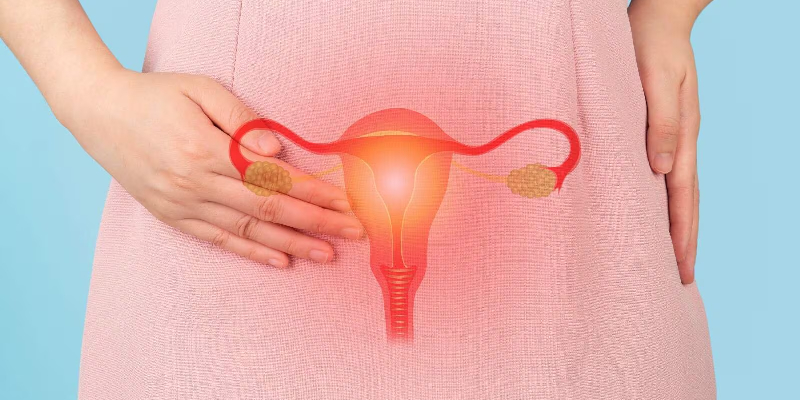
🌸 Postmenopausal Bleeding: What Every Woman Should Know
Once your periods have stopped for 12 months, you are considered postmenopausal.
At this stage, any bleeding — spotting, staining, or full-flow bleeding — is NOT normal.
It may not always indicate a serious issue, but it should always be checked by a gynaecologist.
Postmenopausal bleeding (PMB) is quite common, and in most cases, the cause is not dangerous — but early evaluation is essential.
🌼 Why Does Postmenopausal Bleeding Happen?
There are several possible reasons:
- Vaginal or endometrial thinning (most common, due to low estrogen)
- Vaginal dryness or tiny tears
- Benign polyps
- Side effects of HRT or other medications
- Infections
- Endometrial hyperplasia (thickening of the uterus lining)
- Cancer (less common but must be ruled out)
Most causes are treatable once diagnosed correctly.
🌷 What Should You Do if You Notice Bleeding?
Do not ignore it and do not assume it is normal.
Visit your gynaecologist for a proper evaluation.
Typical tests may include:
- Pelvic examination
- Ultrasound / Transvaginal Sonography (TVS)
- Pap smear (if due)
- Endometrial thickness measurement
- Blood tests
- Endometrial biopsy (if needed)
- Hysteroscopy: A thin scope is inserted into the uterus to view the lining and take a biopsy in the same sitting. This is the best method for diagnosis.
The treatment depends on the underlying cause.
❓ Frequently Asked Questions About Postmenopausal Bleeding
1. Is any bleeding after menopause normal?
No. Once 12 months have passed without a period, any bleeding should be evaluated.
2. Does postmenopausal bleeding always mean cancer?
No — absolutely not.
The most common causes are dryness, thinning of tissues, or benign polyps.
Cancer is less common, but must be ruled out — that’s why evaluation is important.
3. What can cause bleeding years after menopause?
- Vaginal dryness
- Polyps
- Endometrial thinning or thickening
- Hormone therapy
- Certain medications
- Less commonly, cancers of the uterus, vagina, or cervix
Your doctor will identify the exact cause.
4. Will an ultrasound alone be enough?
Sometimes yes — especially if the endometrial thickness is normal.
If it is thickened or irregular, a hysteroscopy with biopsy is recommended.
5. Is the biopsy painful?
Most women tolerate it well. It may cause mild cramping for a few minutes but it is quick and safe.
6. Can dryness alone cause bleeding?
Yes. After menopause, vaginal tissues become thin and dry, leading to small cracks or bleeding — especially after intercourse.
This is easily treatable with local estrogen gels or moisturisers.
7. Should I stop my HRT if I get bleeding?
Do not stop HRT on your own. Bleeding can happen due to many harmless reasons.
Your doctor will assess whether the dose or regimen needs adjustment.
8. How soon should I see my doctor?
Not an emergency, but do not delay. Ideally, visit within a week.
9. What if the bleeding was very light and only once?
Even a single episode of spotting needs evaluation.
Most times it turns out to be minor, but it’s important to check.
10. Can postmenopausal bleeding be prevented?
Not always — but regular check-ups, managing dryness, and controlling chronic conditions
(like diabetes or obesity) can reduce the risk.
🌸 Final Takeaway
Postmenopausal bleeding is common but not normal.
The causes are usually simple and treatable — but timely evaluation is key to staying safe and stress-free.
📍 Source: Dr. Shweta Mehta – DNB, Obstetrics & Gynaecology | United Multispeciality Hospital, Kandivali West, Mumbai.