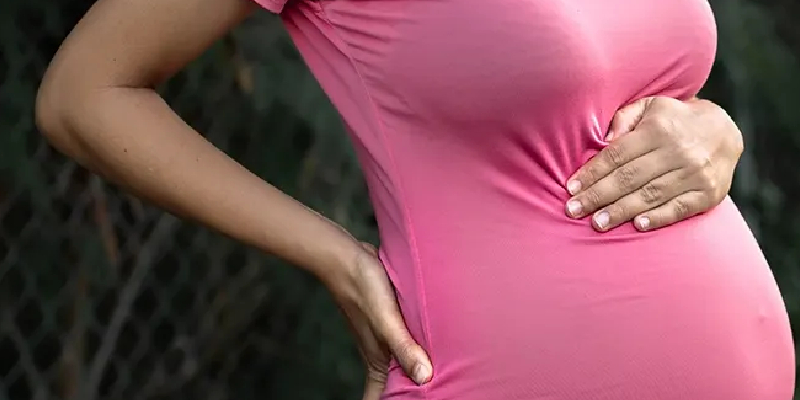
Pelvic Pain During Pregnancy: Causes, What’s Normal, and When to Worry (Third Trimester)
Pelvic pain is a common complaint in the third trimester of pregnancy as the body prepares for childbirth. With the growing uterus, hormonal changes, and altered posture, many women experience discomfort around the pelvic bones, groin, hips, or lower abdomen. While most pelvic pain is normal and mechanical, certain symptoms need medical attention.
Why Pelvic Pain Is Common in the Third Trimester
In late pregnancy, pelvic pain usually occurs due to structural and hormonal changes, rather than disease.
1. Pelvic Girdle Pain (PGP)
- Caused by relaxin hormone loosening pelvic ligaments
- Pain felt in:
- Pubic bone
- Groin
- Hips
- Lower back
- Worse with:
- Walking
- Climbing stairs
- Turning in bed
- Standing on one leg
✔️ Most common cause of third-trimester pelvic pain
2. Increased Pressure from Baby’s Head
- Heaviness
- Sharp or dragging pelvic pain
- “Pulling down” sensation
- More noticeable after standing or walking
3. Muscle Fatigue & Postural Strain
- Overstretching of pelvic floor
- Hip and thigh pain
- Common in:
- Long working hours
- Poor posture
- Lack of core strength
4. Symphysis Pubis Dysfunction (SPD)
- Pain over pubic symphysis
- Clicking or grinding sensation
- Pain while:
- Getting out of bed
- Wearing pants
- Getting in/out of car
What Is Considered Normal Pelvic Pain?
- Dull, aching or sharp pain
- Comes with movement
- Improves with rest
- Position dependent
- Not associated with bleeding or fever
It improves with:
- Support belts
- Exercises
- Postural correction
Exercises That Help Pelvic Pain in the Third Trimester
Safe & Helpful Exercises
- Pelvic tilts
- Kegel exercises
- Cat–cow stretch
- Side-lying leg lifts
- Gentle prenatal yoga (hip-opening poses)
Avoid:
- Single-leg weight bearing
- Sudden twisting movements
- Deep squats if painful
- High-impact activity
Simple Daily Tips for Relief
- Sleep with a pillow between knees
- Avoid sitting cross-legged
- Sit while dressing
- Wear a maternity pelvic support belt
- Take small steps
- Keep knees together when turning in bed
Role of Physiotherapy in Third-Trimester Pelvic Pain
Physiotherapy becomes important when pelvic pain starts limiting mobility, sleep, or daily activities, even if it is not severe. A trained antenatal physiotherapist helps by:
- Assessing pelvic alignment and muscle imbalance
- Reducing strain on pubic symphysis and sacroiliac joints
- Teaching controlled, pregnancy-safe movement patterns
- Preventing progression of pain as pregnancy advances
Physiotherapy is especially useful when pain is progressively worsening, causing a waddling gait, or interfering with routine tasks like walking or turning in bed.
Use of Ice and Heat for Pelvic Pain During Pregnancy
Both ice and heat can be used safely in late pregnancy when applied correctly.
Ice application is preferred when:
- Pain is sharp or activity-related
- There is localised tenderness over pubic area or groin
- Symptoms worsen after prolonged standing or walking
Ice helps by reducing local inflammation and pain sensitivity.
Heat application is more useful when:
- Pain is dull or associated with muscle tightness
- There is hip, lower back or buttock discomfort
- Pain is worse after prolonged sitting
Heat works by relaxing tight muscles and improving blood flow.
Applications should be local, short-duration, and never over the abdomen.
Movement Modifications Required in the Third Trimester
In late pregnancy, pelvic pain often worsens due to repetitive or asymmetrical movements. Modifying daily activities significantly reduces symptoms.
Key principles include:
- Symmetry of movement – avoiding uneven weight bearing
- Controlled transitions – slow, deliberate movements
- Load reduction – minimising strain on pelvis
Movement modification is not rest; it is about moving smarter.
Why Movement Modification Is as Important as Exercises
Even well-done exercises may not help if daily movements continue to strain the pelvis.
Small adjustments in how a woman:
- Walks
- Turns
- Sits or gets up
can significantly reduce pain intensity.
Correct movement patterns help:
- Prevent micro-strain of pelvic ligaments
- Reduce day-to-day flare-ups
- Maintain mobility until delivery
When Pelvic Pain Is NOT Normal – Warning Signs
Seek medical attention if pelvic pain is associated with:
- Vaginal bleeding
- Regular uterine contractions
- Fever or burning urination
- Sudden severe pain
- Reduced fetal movements
- Pain not relieved by rest
🚨 These may indicate preterm labour, UTI, abruption, or other obstetric causes.
Will Pelvic Pain Affect Normal Delivery?
- No, in most cases
- Pelvic girdle pain does not prevent vaginal delivery
- Symptoms usually resolve after childbirth
Key Takeaway
Pelvic pain in the third trimester is usually normal and mechanical, related to ligament laxity, posture, and pressure from the growing baby. With correct exercises, posture, and lifestyle modifications, most women get significant relief. However, red-flag symptoms should never be ignored.