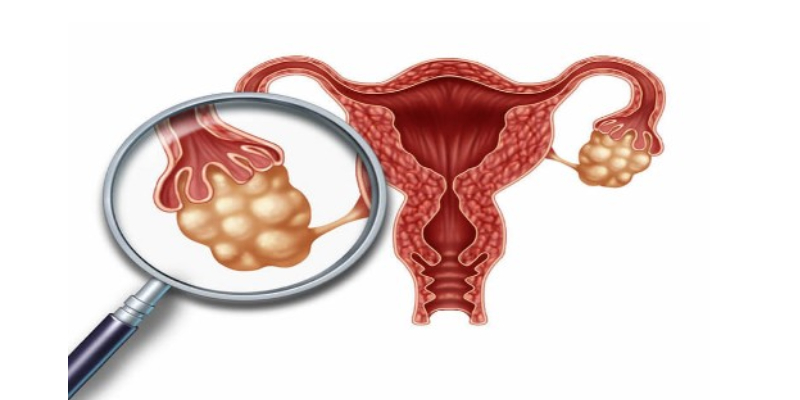
Polycystic Ovary Syndrome (PCOS) is one of the most common hormonal conditions affecting women today, yet it often remains confusing and overwhelming. Many women first notice symptoms like irregular periods, weight gain, acne, or excess facial hair and immediately worry something is “wrong” with their body.
The truth is—PCOS is manageable. With the right guidance and lifestyle changes, most women lead completely healthy, normal lives.
This Q & A session aims to simplify PCOS in a way that’s easy to understand, helping you recognise symptoms early and take charge of your health confidently. So let’s begin—
1. What exactly is PCOS?
PCOS is a hormonal imbalance that affects ovulation (egg release), which can lead to irregular periods and other symptoms. Your ovaries also start making more “male hormones” (androgens) than usual, which leads to symptoms like increased hair growth and acne.
2. How does PCOS differ from PCOD?
Both terms are often used interchangeably, but there is a slight difference:
- PCOD (Polycystic Ovarian Disease) is more about multiple immature eggs in the ovaries.
- PCOS (Polycystic Ovary Syndrome) is a hormonal and metabolic disorder involving irregular periods, excess androgens, and insulin resistance.
PCOS affects the whole body, while PCOD is usually limited to the ovaries. Management, however, is very similar.
3. Why do women get PCOS?
There isn’t one single cause. It usually happens due to:
- Genetics (runs in families)
- Insulin resistance
- Hormonal imbalance
- Lifestyle factors like poor sleep, stress, and weight gain
4. What symptoms should I look out for?
- Irregular or skipped periods
- Acne or oily skin
- Increase in facial or body hair
- Hair thinning on the scalp
- Weight gain or difficulty losing weight
- Darkening of skin around the neck or underarms (due to insulin resistance)
Not every woman has all symptoms—PCOS looks different for everyone.
5. Do I have to be overweight to have PCOS?
No. While PCOS is commonly seen in overweight and obese patients, many women with PCOS are normal-weight or even lean. Weight can worsen symptoms, but it is not the cause.
Lean women can have irregular periods, acne, excess hair, or insulin resistance too.
6. Is PCOS the same as having cysts in the ovaries?
No. Many women misunderstand this part. The tiny “cysts” seen on ultrasound are actually immature follicles and are different from harmful ovarian cysts.
7. How is PCOS diagnosed?
Doctors usually check:
- Your period pattern
- Blood tests for hormones
- Ultrasound
- Symptoms like acne or excess hair
A combination of these helps confirm PCOS.
8. Can PCOS affect fertility?
Sometimes, yes — but many women with PCOS conceive naturally or with simple treatment. The main issue is irregular ovulation, and once that is corrected, fertility usually improves.
9. Can PCOS be cured permanently?
There is no permanent cure yet, but it is very manageable. With lifestyle changes and treatment, your cycles become regular, skin/hair symptoms improve, and fertility concerns reduce.
10. How is PCOS treated?
Treatment depends on your goals:
If you want to regulate periods:
- Lifestyle changes
- Hormonal pills
- Metformin (if insulin resistance)
If you are trying to conceive:
- Ovulation-inducing medicines
- Weight management
- Treating insulin resistance
If you have skin/hair issues:
- Hormonal pills
- Anti-androgen medications
- Dermatology treatments
11. Can I manage my symptoms without medication?
Yes — many women improve significantly with lifestyle steps alone, such as:
- Balanced diet
- Regular exercise
- Stress reduction
- Good sleep
- Weight control (if overweight)
However, medication may be needed for irregular periods, fertility treatment, or severe skin/hair symptoms. Your gynaecologist will guide you.
12. What lifestyle changes help the most?
- Balanced diet with fewer refined carbs
- Regular exercise (30 minutes a day)
- Good night’s sleep for 7–9 hours
- Stress management
Even losing 5–7% of body weight can improve periods and ovulation.
13. Is it safe to get pregnant with PCOS?
Yes, absolutely. Most women with PCOS have healthy pregnancies. You may need:
- Pre-conception counseling
- Blood sugar monitoring
- Help with ovulation (if needed)
14. Is PCOS lifelong?
PCOS is a long-term condition, but symptoms can be controlled extremely well with the right habits.
15. What are the long-term health risks of untreated PCOS?
If left unmanaged, PCOS can increase your risk of:
- Type 2 diabetes
- High blood pressure
- High cholesterol
- Sleep apnea
- Fertility problems
- Mood disorders like anxiety or depression
16. Will PCOS go away after menopause?
Periods stop after menopause. Hormone levels settle, so symptoms like acne or irregular periods improve, but metabolic issues (like insulin resistance or weight gain) may continue.
17. Does PCOS increase my cancer risk?
There is a slightly higher risk of endometrial cancer if PCOS is untreated (because the uterine lining keeps building up). There is no strong evidence linking PCOS to breast or ovarian cancer.
💡 Final Words:
- PCOS is manageable with the right lifestyle and timely care.
- Focus on balanced eating, daily activity, good sleep, and stress control.
- Track your cycles and follow medications if advised.
- Regular check-ups prevent long-term issues.
📍 Source: Dr. Shweta Mehta – DNB, Obstetrics & Gynaecology | United Multispeciality Hospital, Kandivali West, Mumbai.