🌸 Understanding Menopause: A Simple, Friendly Guide for Every Woman
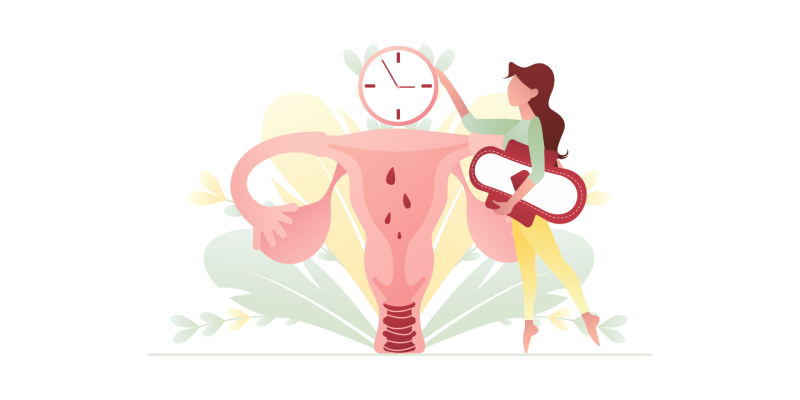
Menopause is a natural transition, not a disease. It simply means your ovaries are slowing down and your periods are going to stop.
Many women feel confused about the changes happening in their body — this guide will help you understand them clearly and calmly.
🌼 What Exactly Is Menopause?
Menopause is when your periods stop completely for 12 months.
Most women reach menopause between 45–55 years.
The years before menopause — when symptoms start but periods still come — are called perimenopause.
🌙 Common Symptoms You May Notice
Every woman’s experience is different. Some have mild symptoms, some more noticeable.
- Hot flashes
- Night sweats
- Sleep disturbances
- Mood swings or irritability
- Weight gain
- Vaginal dryness
- Reduced libido
- Joint pains
- Hair/skin changes
- Irregular periods during perimenopause
These happen due to the gradual fall in estrogen levels.
🌿 Is Treatment Available? Yes.
You don’t need to “adjust” or suffer quietly.
Lifestyle changes
Healthy diet, regular exercise, yoga, meditation, reducing caffeine/alcohol.
Non-hormonal medicines
For hot flashes, sleep issues, mood changes (as per your doctor’s advice).
Hormone Replacement Therapy (HRT)
A safe and effective option for many women when used under medical supervision.
Local estrogen therapy
Useful for vaginal dryness or painful intercourse.
❓ Frequently Asked Questions
1. At what age does menopause usually happen?
Most women experience menopause between 45–55 years.
Smoking, low physical activity, and medical treatments (like radiation/chemotherapy) may cause earlier menopause.
Removal of ovaries, uterus, or premature ovarian failure (POF) can also cause early menopause.
Visit your gynaecologist for evaluation if menopause occurs early.
2. What are hot flashes and are they normal?
Hot flashes feel like a sudden wave of heat in your chest, face, or upper body.
You may feel sweating, redness, or a rapid heartbeat.
Yes — they are normal during perimenopause and early menopause.
3. What happens after periods stop?
Once your periods stop for 12 months:
- Ovaries stop releasing eggs
- Estrogen levels stay low
- Fertility ends
- Hot flashes/mood changes may continue for some time
- Vaginal dryness may persist if untreated
- Bone thinning (osteoporosis) risk increases
- Metabolism slows slightly
In short: your body enters a new, stable hormonal phase.
4. Will menopause make me gain weight?
Hormonal changes and slowing of metabolism due to age may cause weight gain, but regular exercise and mindful eating can help maintain weight.
5. Can menopause cause mood changes or anxiety?
Yes — because hormones influence brain chemistry. These symptoms are temporary and treatable.
6. What other body changes should I expect?
- Bone thinning (osteoporosis risk)
- Higher chance of cholesterol issues
- Drier skin, thinning hair
- More fat around the abdomen
- Vaginal dryness, discomfort, UTIs
- Sleep disturbances, irritability
- Reduced sexual desire
All are manageable with timely care.
7. Do I need screenings after menopause?
Yes — screenings become even more important:
- Bone density (DEXA)
- Lipid profile
- Blood pressure & sugar checks
- Thyroid test (TSH)
- Vitamin D & B12
- Pap smear
- Mammogram
- Routine gynaecologist check-up
8. Can symptoms start before periods stop?
Yes — this is called perimenopause, and it can begin 2–8 years before menopause.
9. Will periods return after menopause?
No — any bleeding after menopause must be evaluated by a doctor.
10. Is hormone therapy safe?
Yes — when chosen correctly and monitored by a specialist. It helps hot flashes, mood changes, sleep issues, dryness, and bone health.
11. Will menopause affect my sex life?
Reduced lubrication may cause discomfort, but this is fully treatable with gels, lubricants, or local estrogen therapy.
12. Do I still need contraception?
Yes — until 12 months after your last natural period.
If you are under 50, continue contraception for at least 1 year after the final period.
🌸 Final Thought
Menopause is not an ending — it’s a new phase where your health deserves extra care.
With awareness, lifestyle changes, proper guidance, and family support, you can feel confident and in control of your body.
📍 Source: Dr. Shweta Mehta – DNB, Obstetrics & Gynaecology | United Multispeciality Hospital, Kandivali West, Mumbai.