1️⃣ What is TLH?
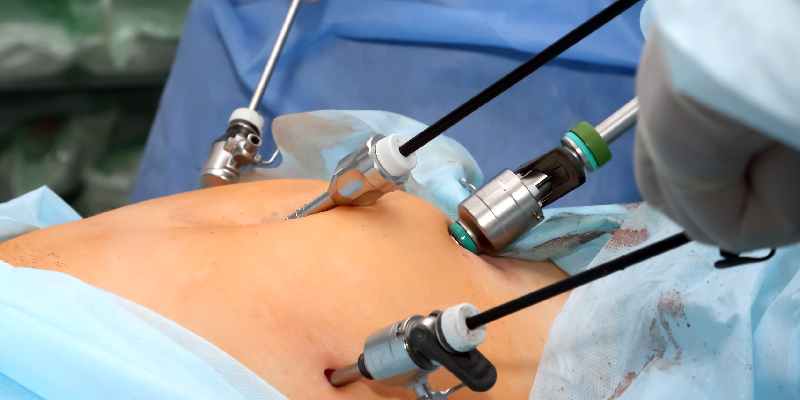
TLH is a surgery to remove the uterus using small keyhole cuts in the tummy. A tiny camera and instruments are used, so there’s no large incision.
2️⃣ Why is TLH done?
TLH may be recommended for:
- Fibroids causing pain or heavy bleeding
- Endometriosis
- Abnormal bleeding not improving with medicine
- Uterine prolapse
- Precancerous or early cancer changes in the uterus
3️⃣ What are the benefits of TLH?
- Smaller cuts → less pain
- Faster recovery than open surgery
- Minimal scarring
- Less blood loss
- Shorter hospital stay
4️⃣ Will I be asleep during surgery?
Yes. TLH is done under general anesthesia, so you won’t feel anything during the operation.
5️⃣ How long does the surgery take?
Usually 1–3 hours, depending on your condition.
6️⃣ How long will I stay in the hospital?
Most women stay 1–3 days, then continue recovery at home.
7️⃣ What will recovery be like?
- Mild tummy pain and shoulder pain (from the gas used during surgery)
- Tiredness for a few days
- Light bleeding or discharge for 1–2 weeks
Full recovery usually takes 3–6 weeks.
8️⃣ What precautions should I take at home?
- Keep cuts clean and dry
- Take medicines as advised
- Avoid heavy lifting or strenuous work for 4–6 weeks
- Avoid sex until your doctor says it’s safe
- Eat healthy and stay hydrated
- Go for follow-up visits as scheduled
9️⃣ Are there any risks?
TLH is generally safe, but as with any surgery, there are small risks:
- Infection
- Bleeding
- Injury to bladder, bowel, or blood vessels
- Blood clots
Your surgeon will explain these before surgery.
🔟 When should I call the doctor?
- Fever or chills
- Severe abdominal pain
- Redness, swelling, or discharge from cuts
- Heavy bleeding
- Trouble urinating or passing stool
💡 Remember:
TLH is a modern, minimally invasive surgery to remove the uterus safely, with less pain, smaller scars, and quicker recovery than traditional open surgery.