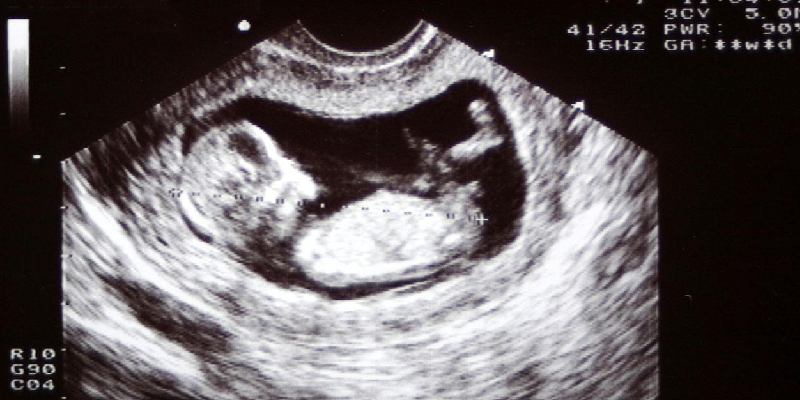
Pregnancy ultrasound reports can look confusing because they contain many medical terms and measurements.
Understanding the basic sections of the report can help expecting parents know what doctors are evaluating during each scan.
This guide explains the important parts of a pregnancy ultrasound report in simple terms.
1️⃣ Basic Details Section
Usually at the top of the report.
- Patient name / age
- LMP (Last Menstrual Period)
- GA (Gestational Age) → Calculated using LMP or ultrasound measurements
- EDD (Estimated Due Date)
Small variation between LMP gestational age and scan gestational age is common (±5–7 days in early pregnancy).
2️⃣ Pregnancy Location & Viability
✔ Intrauterine Pregnancy (IUP)
Confirms the pregnancy is inside the uterus and not ectopic.
✔ Gestational Sac (GS)
Usually visible from around 4.5–5 weeks of pregnancy.
✔ Yolk Sac
The first structure that confirms early pregnancy viability.
✔ Fetal Pole + Cardiac Activity
FHR (Fetal Heart Rate)
- 6–7 weeks → ~110–160 bpm
- Later pregnancy → 120–160 bpm
3️⃣ Gestational Age Measurements
First Trimester Measurement
CRL (Crown-Rump Length)
The most accurate measurement for pregnancy dating up to 13 weeks + 6 days.
Second & Third Trimester Biometry
Standard fetal measurements include:
- BPD — Biparietal Diameter (head width)
- HC — Head Circumference
- AC — Abdominal Circumference
- FL — Femur Length
These measurements help calculate:
- Gestational age by scan
- Estimated fetal weight (EFW)
Values are compared with percentile charts to assess fetal growth.
4️⃣ Fetal Anatomy Assessment
Usually performed during the anomaly scan (18–22 weeks).
- Brain structures
- Face (lip and palate)
- Spine
- Heart (four-chamber view and outflow tracts)
- Abdomen (stomach, kidneys, bladder)
- Limbs
Reports often state:
"No obvious structural abnormality detected."
5️⃣ Placenta Evaluation
- Placental location → anterior / posterior / fundal
- Placental grade → maturity (0–III)
- Distance from cervical os (important if placenta is low-lying)
6️⃣ Amniotic Fluid
AFI (Amniotic Fluid Index)
Normal range: approximately 8–24 cm
OR
SDP (Single Deepest Pocket)
Normal range: approximately 2–8 cm
7️⃣ Cervix & Maternal Structures
Normal cervical length is typically >30 mm.
A cervix shorter than 25 mm may increase the risk of preterm birth.
- Uterus and adnexa evaluation
This helps detect:
8️⃣ Doppler Study (If Done)
- Umbilical artery
- MCA (Middle cerebral artery)
- Uterine artery
Doppler studies are used to monitor:
- Fetal growth restriction
- Preeclampsia
- High-risk pregnancies
How to Interpret the Impression Section
The Impression or Conclusion summarizes the main findings of the scan.
Examples:
- Single live intrauterine pregnancy of ___ weeks
- Fetal growth appropriate for gestational age
- Low-lying placenta
- Mild oligohydramnios
These findings should always be interpreted along with clinical evaluation.
⚠️ Red Flags to Look For
- Gestational age mismatch greater than 2 weeks
- Absent fetal cardiac activity
- Estimated fetal weight below the 10th percentile
- Very low or very high amniotic fluid
- Placenta covering the cervical os
- Short cervix
Quick Interpretation Flow
- Confirm pregnancy viability
- Check gestational age vs LMP
- Assess fetal growth parameters
- Evaluate placenta and amniotic fluid
- Read the impression
A pregnancy ultrasound report answers three key questions:
✔ Is the baby alive?
✔ Is growth appropriate?
✔ Are the placenta, fluid, and cervix normal?
Frequently Asked Questions About Pregnancy Ultrasound
How many ultrasounds are done in a normal pregnancy?
- Early viability scan (6–8 weeks)
- NT scan (11–13+6 weeks)
- Anomaly scan (18–22 weeks)
- Growth scan (32–36 weeks if needed)
High-risk pregnancies may require additional scans.
Is ultrasound safe during pregnancy?
Yes. Ultrasound uses sound waves (not radiation) and is considered safe when performed for medical reasons.
Which ultrasound is most important?
The anomaly scan performed between 18–22 weeks is particularly important because it evaluates fetal organs and detects structural abnormalities.
What is a growth scan?
A third-trimester scan used to assess:
- Baby’s weight
- Amniotic fluid
- Placenta
- Doppler studies if needed
Does pregnancy ultrasound hurt?
No. It is generally painless. A transabdominal scan may cause mild pressure, while a transvaginal scan may cause slight discomfort but is usually well tolerated.
Why is transvaginal ultrasound sometimes used?
Transvaginal ultrasound provides clearer images in early pregnancy and helps:
- Detect very early pregnancy
- Confirm fetal heartbeat earlier
- Evaluate uterus when abdominal visibility is poor
It is safe and performed only when medically useful.