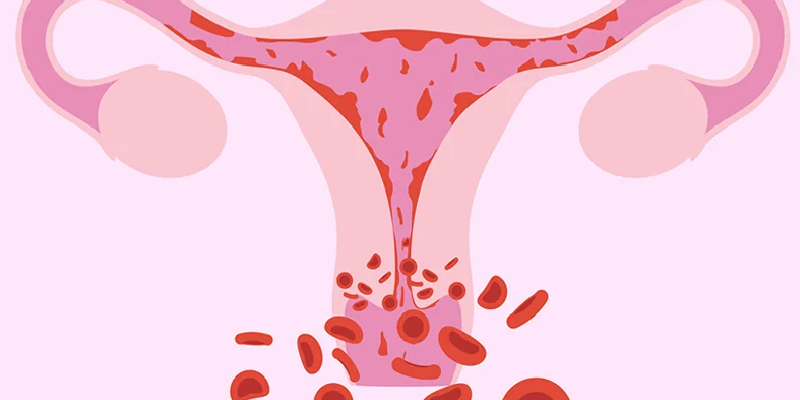
Periods vary from woman to woman—but excessively heavy bleeding is not something you should ignore. Many women assume heavy periods are “normal” or something they must tolerate. In reality, heavy menstrual bleeding can affect daily life, cause anemia, and sometimes point to an underlying medical problem.
This guide explains what heavy menstrual bleeding means, when to worry, and when to see a gynecologist—in simple, patient-friendly language.
What is considered heavy menstrual bleeding?
Heavy menstrual bleeding (also called menorrhagia) means losing more blood than normal during periods.
You may have heavy periods if you:
- Bleed for more than 7 days
- Need to change pads or tampons every 1–2 hours
- Pass large blood clots
- Need double protection (pad + tampon)
- Feel tired, weak, or breathless during periods
👉 If your period interferes with your daily routine, work, or sleep, it is not normal.
What are common causes of heavy periods?
Heavy bleeding can happen due to several reasons:
Hormonal causes:
- Hormonal imbalance
- PCOS
- Thyroid disorders
- Adolescence or perimenopause
Uterine causes:
- Fibroids
- Adenomyosis
- Polyps
Other causes:
- Copper-T (IUCD)
- Blood clotting disorders
- Certain medications
- Stress and sudden weight changes
Sometimes, no serious cause is found—but evaluation is still important.
When should I be worried about heavy periods?
Consult a gynecologist urgently if you have:
- Bleeding lasting more than 7–8 days
- Passing clots larger than a coin
- Severe weakness, dizziness, or breathlessness
- Pale skin or known low hemoglobin
- Sudden increase in bleeding after years of normal cycles
- Bleeding between periods or after intercourse
🚨 Heavy bleeding with pain, fever, or foul-smelling discharge needs immediate attention.
Can heavy periods cause anemia?
Yes—very commonly.
Excessive blood loss can lead to iron-deficiency anemia, causing:
- Fatigue
- Hair fall
- Headache
- Shortness of breath
- Poor concentration
Many women take iron tablets but do not treat the cause of bleeding, leading to recurrence.
What tests may be needed?
Your doctor may advise:
- Blood tests (hemoglobin, thyroid levels)
- Ultrasound of the uterus and ovaries
- Hormonal tests (in some cases)
- Endometrial evaluation (in selected patients)
👉 Tests depend on your age, symptoms, and bleeding pattern.
How is heavy menstrual bleeding treated?
Treatment depends on the cause and severity.
Medical treatment:
- Hormonal tablets
- Progesterone therapy
- Non-hormonal medicines
- Treatment for anemia
Procedural or surgical options:
- Hysteroscopy
- Removal of polyps or fibroids
- Laparoscopic surgery (selected cases)
Your doctor will always try conservative options first, especially if fertility preservation is important.
Is heavy menstrual bleeding dangerous?
Heavy periods are usually not life-threatening, but ignoring them can lead to:
- Severe anemia
- Reduced quality of life
- Delayed diagnosis of uterine problems
Early evaluation makes treatment simpler and more effective.
Frequently Asked Questions
Are heavy periods normal after childbirth?
Periods may be irregular initially, but persistent heavy bleeding should be evaluated.
Can stress cause heavy menstrual bleeding?
Stress can worsen hormonal imbalance, increasing bleeding.
Do heavy periods mean cancer?
Usually no. But heavy bleeding after 40 years or after menopause must always be checked.
Can diet or lifestyle help?
Healthy weight, iron-rich diet, and stress reduction help—but medical evaluation is essential.
Can heavy periods affect fertility?
Heavy bleeding itself doesn’t cause infertility, but underlying conditions may.
Is heavy bleeding common at puberty or near menopause?
Yes. Hormonal fluctuations can cause it, but persistent symptoms need evaluation.
When is surgery required?
Only when medicines fail or when fibroids, polyps, or adenomyosis are present.
Can heavy periods stop on their own?
Sometimes, but persistent heavy bleeding should never be ignored.
Should I seek urgent care?
Yes—if bleeding is sudden, excessive, worsening, or associated with dizziness or extreme weakness.
💡 In Summary:
- Heavy menstrual bleeding is common—but suffering silently is not normal.
- If periods affect your health or daily life, seek medical advice.
- Early diagnosis prevents anemia and treats the underlying cause effectively.
📍 Source: Dr. Shweta Mehta – DNB, Obstetrics & Gynaecology | United Multispeciality Hospital, Kandivali West, Mumbai.