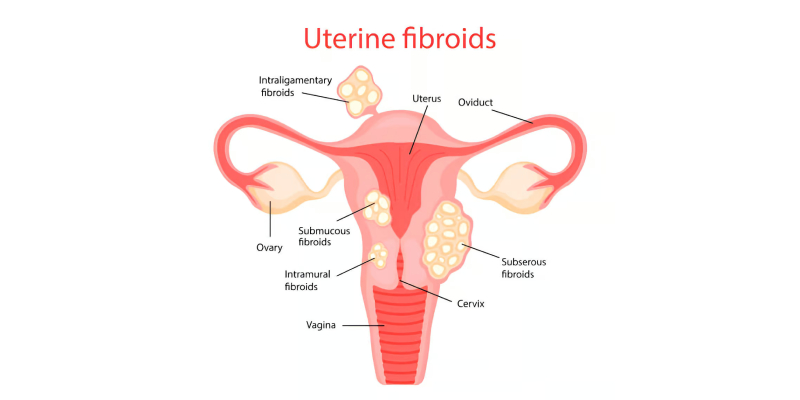
Many women diagnosed with uterine fibroids worry about needing a large abdominal cut (open surgery).
The good news is — most fibroid surgeries today can be done without a big cut, using modern minimally invasive techniques.
These advanced methods mean:
- Less pain
- Smaller scars
- Faster recovery
- Shorter hospital stay
Let’s understand the modern options available.
What Are Fibroids?
Fibroids are non-cancerous growths in the uterus that can cause:
- Heavy or prolonged periods
- Pelvic pain or pressure
- Frequent urination
- Infertility or miscarriages
- Abdominal swelling
Not all fibroids need surgery — treatment depends on size, number, symptoms and pregnancy plans.
How Are Fibroids Diagnosed?
1. Pelvic Examination
Your doctor may feel an enlarged or irregular uterus during routine check-up.
2. Ultrasound Scan (Most common test)
Shows:
- Size of fibroids
- Number of fibroids
- Location in uterus
3. MRI Scan (in selected cases)
Used when:
- Fibroids are very large
- Exact mapping is needed before surgery
- Multiple fibroids are present
MRI helps plan the safest surgical method.
Can Fibroids Come Back After Surgery?
Yes — fibroids can recur, especially in younger women.
Important facts:
- Surgery removes existing fibroids
- It does not stop new fibroids from forming
- Risk is higher before menopause
However:
- Many women never develop problematic fibroids again
- Recurrence is usually slow
- Regular follow-up helps early detection
Modern surgery focuses on uterus preservation with minimal symptoms long term.
Why Do Fibroids Develop in the First Place?
Fibroids grow due to sensitivity to female hormones, mainly estrogen and progesterone.
Common contributing factors include:
- Hormonal fluctuations during reproductive years
- Family history of fibroids
- Early onset of periods
- Obesity
- Lifestyle and diet factors
They usually:
Grow during reproductive years
Shrink after menopause
Modern Fibroid Surgery Options (No Big Cut)
1. Laparoscopic Fibroid Removal (Keyhole Surgery)
Small holes (0.5–1 cm) are made on the abdomen and fibroids are removed using a camera and fine instruments.
Best for:
- Medium to large fibroids
- Fibroids outside or within uterine wall
Benefits:
- Minimal pain
- Tiny scars
- Home in 1–2 days
- Faster return to normal life
2. Hysteroscopic Fibroid Removal (Through the Vagina)
A thin camera is passed through the vagina into the uterus — no cuts on tummy at all.
Best for:
- Fibroids inside the uterine cavity
- Heavy bleeding problems
Benefits:
- No scar
- Same-day discharge
- Quick recovery
3. Robotic-Assisted Surgery (Advanced laparoscopy)
Robot-guided instruments provide very precise movements for complex fibroid surgeries.
Useful for:
- Large fibroids
- Multiple fibroids
- Difficult locations
Benefits:
- High precision
- Less blood loss
- Better uterus preservation
4. Non-Surgical & Newer Options (Selected Cases)
- Medicines to shrink fibroids temporarily
- Uterine artery embolization (blocks blood supply to fibroids)
Not suitable for everyone especially those planning pregnancy.
Who Still Needs Open Surgery?
- Fibroids are extremely large
- Too many fibroids present
- Severe complications exist
Even then, doctors try minimally invasive options first.
Patient FAQs About Fibroids (Commonly Asked)
Q1. Are fibroids cancerous?
No. Fibroids are almost always non-cancerous (benign).
Q2. Can fibroids go away on their own?
Small fibroids may shrink naturally, especially after menopause.
Most fibroids remain stable or grow slowly during reproductive years.
Q3. Can I get pregnant if I have fibroids?
Yes — many women conceive normally.
Some fibroids may interfere with fertility depending on size and location.
Q4. Will fibroids grow during pregnancy?
They may increase in size due to hormones, especially in early pregnancy, but many remain unchanged.
Q5. Is removal of uterus necessary for fibroids?
No — most fibroids today are removed while preserving the uterus using modern minimally invasive methods.
Q6. Do all fibroids need surgery?
No. Treatment is required only if fibroids cause symptoms or complications.
Q7. Can medicines cure fibroids permanently?
Medicines may temporarily reduce symptoms or size but do not permanently remove fibroids.
Lifestyle Tips That May Help Reduce Fibroid Growth Risk
While fibroids cannot always be prevented completely, healthy habits can help balance hormones and lower risk of rapid growth:
Maintain healthy body weight
Excess fat increases estrogen levels which can promote fibroid growth.
Eat a hormone-friendly diet
Include:
- Fresh vegetables (especially broccoli, cabbage, spinach)
- Fruits rich in antioxidants like berries (strawberry, blueberry etc), apples and pears, pomegranate, citrus fruits, papaya and guava
- Whole grains
- Lean protein
Limit:
- Chickoo, mango, grapes, banana (rich in sugar)
- Red meat
- Processed foods
- Sugary snacks
Stay physically active
Regular exercise helps regulate hormones and improves metabolism.
Manage stress levels
Chronic stress can disturb hormone balance.
Yoga, walking, deep breathing and adequate sleep are helpful.
Avoid smoking and excess alcohol
These can worsen hormonal imbalance.
Get regular gynecological check-ups
Early detection = simpler treatment.
Fibroids are very common and non-cancerous.
Many women have fibroids without even knowing it.
Early diagnosis and modern treatments make management much easier than before.
Recovery Comparison
| Surgery Type |
Hospital Stay |
Recovery |
| Laparoscopy |
1–2 days |
1–2 weeks |
| Hysteroscopy |
Same day |
2–3 days |
| Open surgery |
4–6 days |
4–6 weeks |